Evacuees – WW2
Theme: WW2
Main Curriculum Focus
History:
• Understand the causes of World War II, including the Treaty of Versailles and the rise of fascism.
• Identify key leaders during WWII, such as Winston Churchill, Adolf Hitler, Franklin D. Roosevelt, and Joseph Stalin.
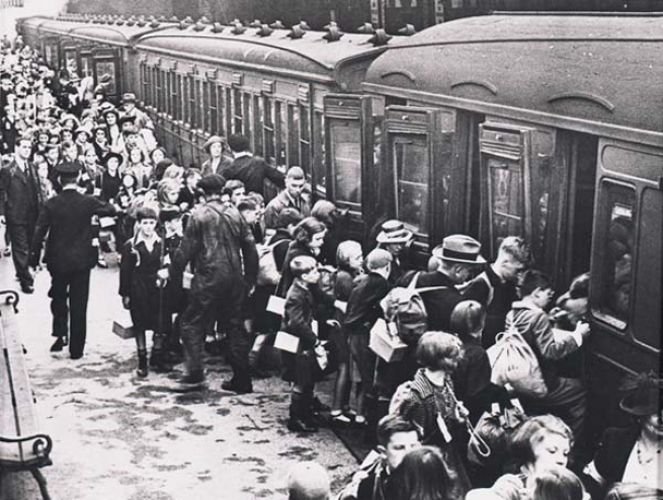
• Examine the role of the Blitz in prompting evacuation policies.
• Investigate the government’s propaganda and planning behind the evacuation scheme.
• Analyse the experiences of evacuees through primary sources, such as letters, diaries, and official documents.
• Explore the role of women in WWII, including their involvement in evacuation efforts and the workforce.
• Study the impact of war on civilian life, including rationing, air raids, and community support.
• Examine how WWII and evacuation affected social class, gender roles, and children’s education.
Inquiry Question
"Social
1. How did evacuation impact family relationships and community dynamics?
2. What role did social class play in the experiences of evacuees?
3. How did evacuees adjust to life in rural communities?
Cultural
4. How did evacuees influence the cultural practices of their host communities?
5. What cultural challenges did evacuees face when integrating into new environments?
Political
7. What role did the government play in organising and promoting evacuation?
8. How did political decisions during WWII affect civilian life?
9. Were evacuation policies fair and effective for all social groups?
Historical
10. What were the key events that led to the evacuation policy?
Environmental
13. How did rural and urban environments shape evacuees’ experiences?
14. What environmental challenges did evacuees face in their new locations?
Critical
16. How reliable are different sources of evidence about the evacuee experience?
Ethical
19. Was it ethical to separate children from their families during wartime?
20. Did the government do enough to safeguard the well-being of evacuees?
21. How were issues of consent handled in the evacuation process?
Philosophical
22. Does the end (protecting children) justify the means (forced evacuation)?"
Expert Team: Evacuation Placement Team
Client(s): Ministry of Health
Commission
1. Assess Available Housing
• Conduct an urgent review of all registered host families.
• Verify that accommodations meet safety and welfare requirements.
2. Organise Placements
• Match children to host families based on age, needs, and family capacity.
• Prioritise siblings to be housed together wherever possible.
3. Coordinate Logistics
• Ensure transport from the train station to host homes is arranged.
• Prepare a temporary holding area in case placements are incomplete.
4. Communicate with Stakeholders
• Inform local authorities and community leaders about the incoming children.
• Engage with potential (reluctant) homeowners to fill housing gaps.
5. Prepare for Arrival
• Organise health checks and ensure provisions for food, clothing, and essentials are in place.
6. School Placement
• Assign evacuees to appropriate local schools, ensuring age-appropriate education.
7. Rationing and Supplies
• Ensure host families have sufficient food and essential supplies to meet the needs of the children.
• Collaborate with the Ministry of Food to manage rationing and provide necessary resources.
8. Health and Well-being
• Arrange health check-ups for all children upon arrival, including vaccinations and medical assessments.
• Provide ongoing monitoring of children’s health and access to healthcare services.
9. Emotional and Social Support
• Facilitate activities and social integration to help children adjust to their new environment.
• Provide support for both children and host families in case of emotional or behavioural challenges.

Downloads
Download DOC